A3 dimensions: the size in cm, inches and pixels
A3 dimensions are 297 × 420 mm, which is 29.7 × 42 cm and 11.69 × 16.54 inches.
Jump to a section · 8 sections
If you’re buying a frame for A3, its opening should be 297 × 420 mm, and remember that Tabloid (11 × 17 inches) is close but not the same shape. We print A3 unframed, or in a black or natural wood frame.
A3 is 297 × 420 mm, which is 29.7 × 42 cm and 11.69 × 16.54 inches.
A3 dimensions in cm, inches and pixels
| Millimeters | 297 × 420 mm |
|---|---|
| Centimeters | 29.7 × 42 cm |
| Inches | 11.69 × 16.54 in |
| Pixels at 72 dpi | 842 × 1191 px |
| Pixels at 150 dpi | 1754 × 2480 px |
| Pixels at 300 dpi | 3508 × 4961 px |
A3 is A0 halved three times, which is why it is exactly two A4s. For how the series is built, see the paper sizes page.
What A3 is good for
A3 is the step up from a sheet of office paper, and the one most walls take comfortably. It is twice the area of A4, so detail that disappeared at the smaller size comes back, and it still hangs on its own without needing anything else around it. If you’re printing one piece and aren’t sure what size, this is usually it.
How the A series reaches A3
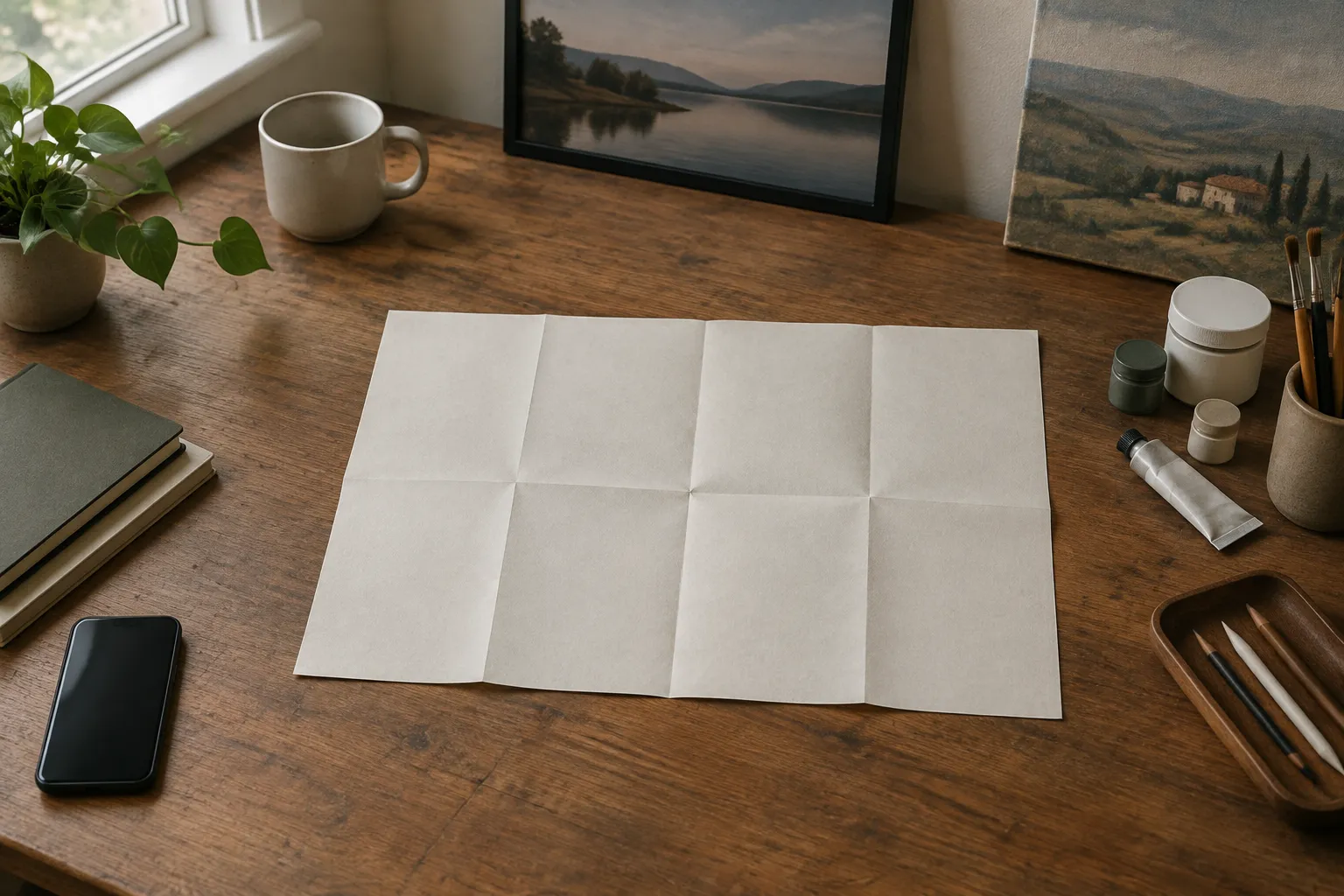
Three folds down from A0. The full sheet is 841 × 1189 mm; halve the long side and you have A1, 594 × 841; halve again for A2, 420 × 594; once more and you reach A3, 297 × 420. At every step the number that was the width becomes the height, untouched, which is what keeps the shape constant.
The shape is 1:√2, and it’s the single ratio for which cutting a sheet in two produces two sheets of the original shape. Among the sizes on these pages, A3 sits in the stretch where the doubling also comes out exact in millimetres: it is two A4 sheets, 124,740 mm² against 62,370, and half an A2, 249,480, with nothing left over either way. That’s not true everywhere, as the hub explains. A layout built for A4 scales to A3 with nothing recropped, which is why the step from a test print to a wall print is usually this one.
Will your file carry A3?
The arithmetic is pixels divided by dpi equals inches, and running it backwards gives the file a size needs. A3 at 300 dpi is 3508 × 4961 pixels, roughly 17 megapixels, which a recent phone photograph will often reach on its own. At 150 dpi it drops to 1754 × 2480.
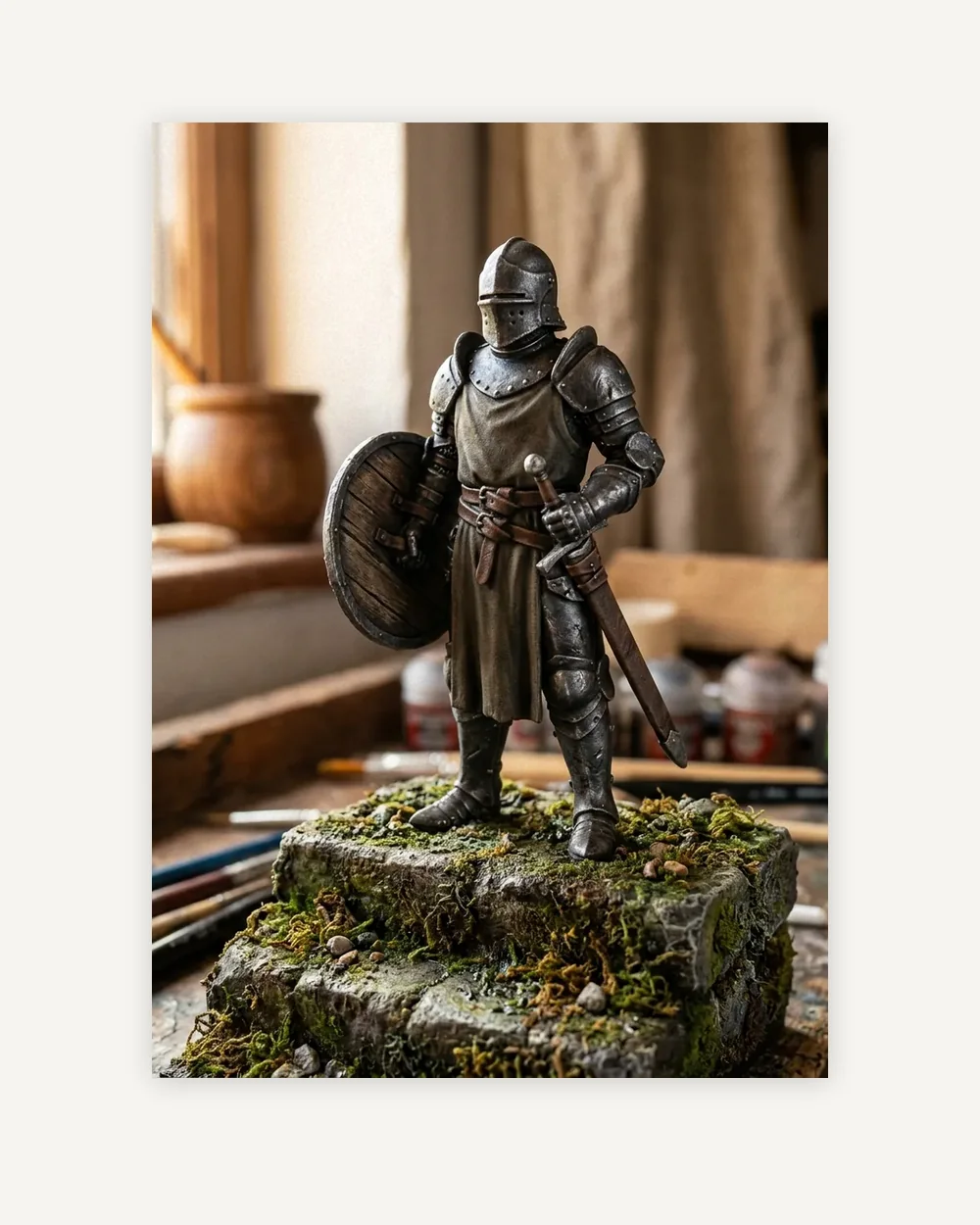
A3 is the size where a good photograph and a mediocre one start to look different. Detail that survived at A4 (the edge of a highlight, the line of a face) is now large enough to inspect. It’s worth going back to the original file, not a copy that has been through a messaging app, because the compression is invisible at small sizes and obvious here. The upload step measures the file for you and only offers what it can print sharply; miniature photography guide covers taking the photograph well enough that this question stops arising.
A3 framed, or A3 on its own
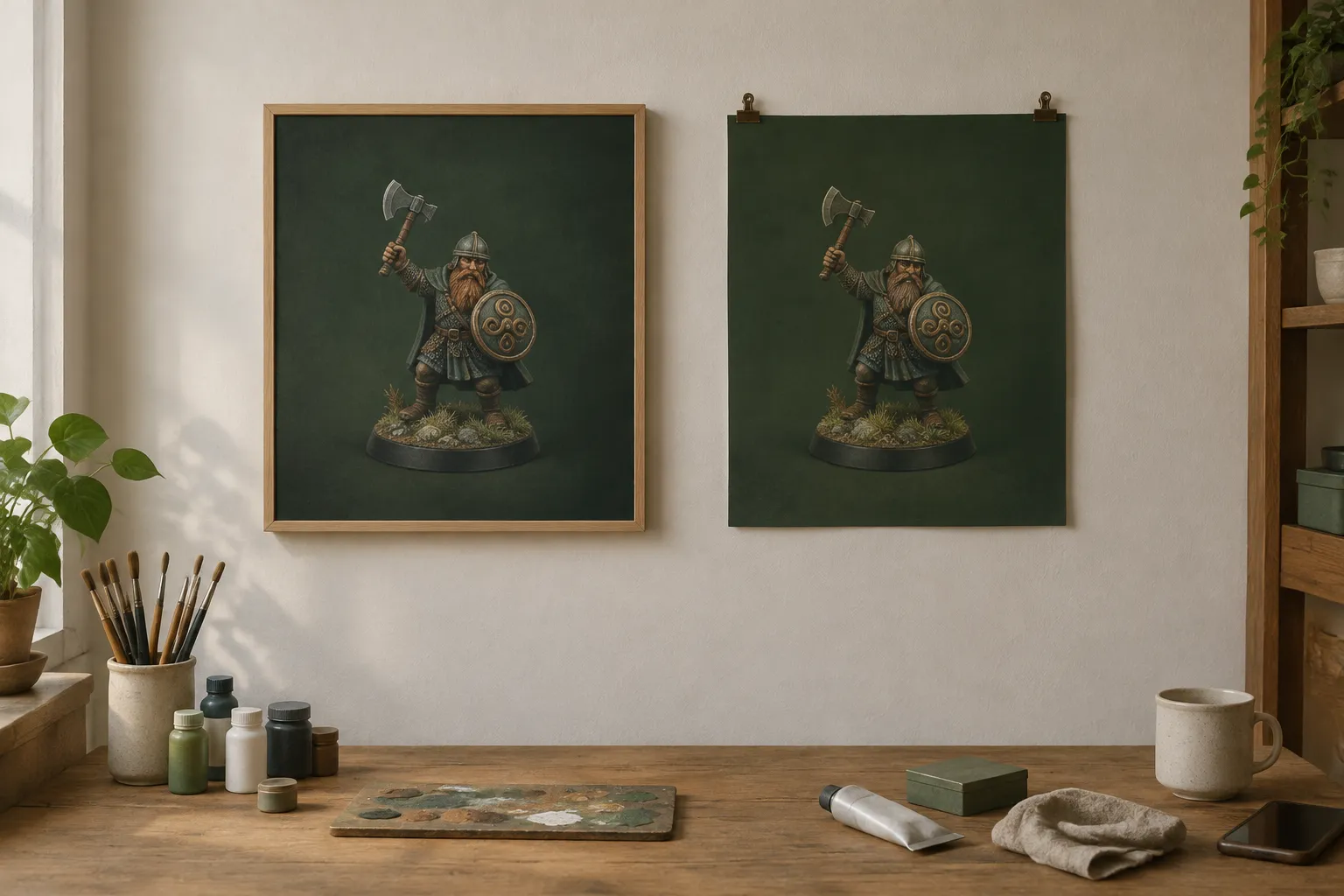
A3 is one of the two sizes we frame, which makes it the point where the decision stops being about dimensions. A framed A3 arrives with the print already set in a 12 × 22 mm wood moulding frame, behind plexiglass, not glass. An unframed A3 costs less, leaves those choices open, and fits a correctly sized A3 frame; an 11 × 17 inch frame isn’t an exact fit. Neither is better; they suit different situations. If the print is a gift, framed removes a job from the recipient. If it is for your own wall, and you already have a frame or want to choose the moulding yourself, unframed is the one to order. Our framed prints list what is included.
Check the product size
We print every size shown on a product page, A3 included. The page grades your file against each size first, so you can’t pick one your image would blur at.
Size references
ISO 216 is where the A3 measurements come from; it covers both the A and B series. To convert to inches we use NIST’s definition, 25.4 mm to the inch. Then check the sizes we print before you buy.
Print your artwork at A3
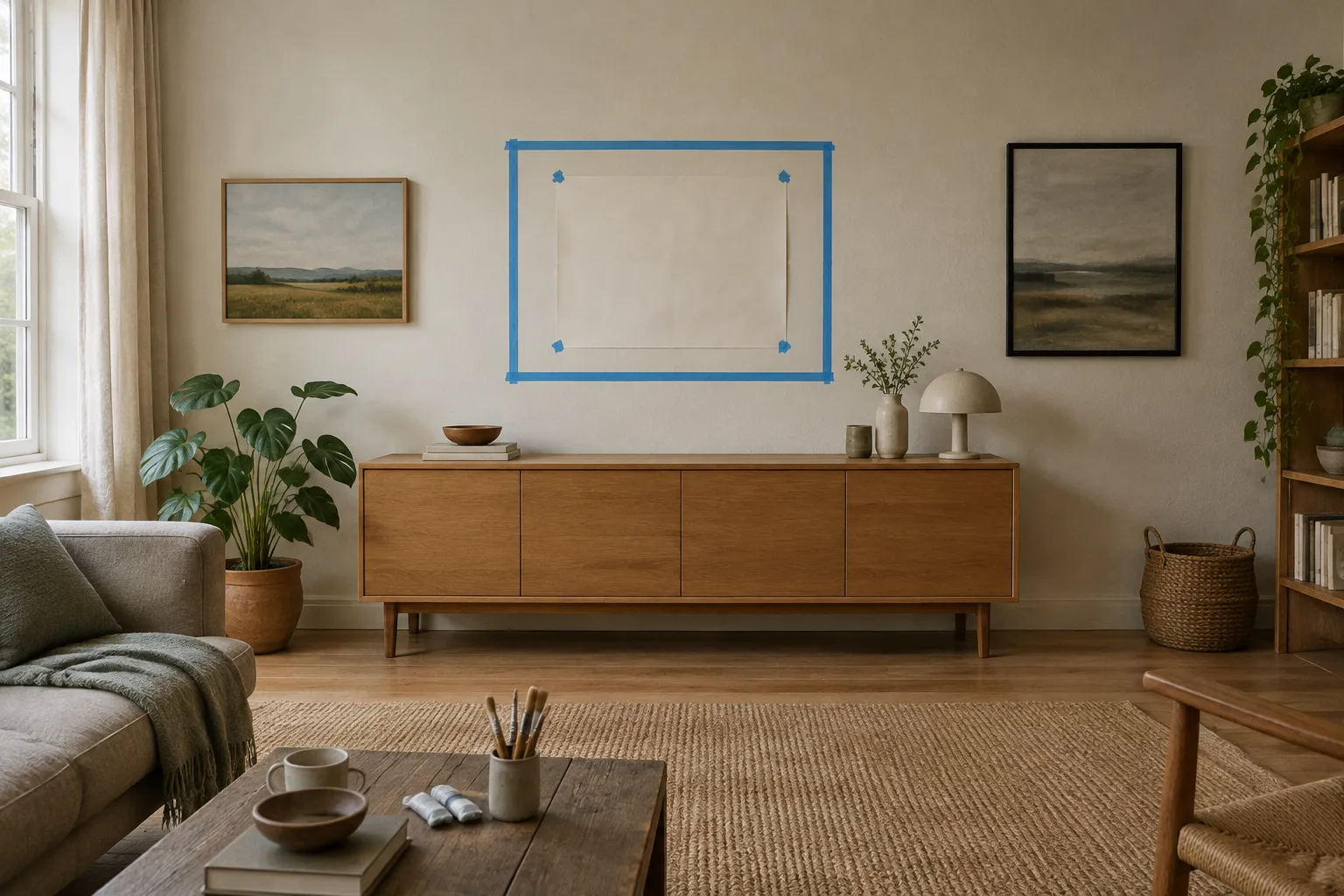
At A3 we print a poster with no frame, on 250 gsm uncoated off-white archival paper, or a framed print with a frame in black or natural wood. To order, print your artwork at A3, or choose an A3 framed print.
Pixel and print-size converter
What each size needs, computed from ISO 216
| Size | Millimetres | 72 dpi | 150 dpi | 300 dpi |
|---|---|---|---|---|
| A1 | 594 × 841 mm | 1684 × 2384 px | 3508 × 4967 px | 7016 × 9933 px |
| A2 | 420 × 594 mm | 1191 × 1684 px | 2480 × 3508 px | 4961 × 7016 px |
| A3 | 297 × 420 mm | 842 × 1191 px | 1754 × 2480 px | 3508 × 4961 px |
| A4 | 210 × 297 mm | 595 × 842 px | 1240 × 1754 px | 2480 × 3508 px |
| A5 | 148 × 210 mm | 420 × 595 px | 874 × 1240 px | 1748 × 2480 px |
Divide pixels by dpi and you have the size in inches. Three hundred dpi is a convention for things held close, not a rule; a print read from across a room is untroubled at 150. Every size above is worked from the ISO 216 definition: A0 is 841 × 1189 mm and each size halves the longer side, rounded down to whole millimetres.
Print your file at this size
Upload the file you just checked. The buy box grades it against every size, shows you the crop, and only lets you choose sizes it will print sharply.
Questions and answers
What size is A3 in cm?
A3 is 29.7 × 42 cm, or 297 × 420 mm.
What is A3 in inches?
11.69 × 16.54 inches.
How many pixels is A3 at 300 dpi?
3508 × 4961 pixels. At 150 dpi it is 1754 × 2480, and at 72 dpi 842 × 1191.
Is A3 bigger than A4?
Yes, exactly twice: 124,740 mm² against 62,370. Of the sizes covered here, A3 and A2 are where the halving lands on a whole millimetre and the areas come out even.