Elf name generator
This elf name generator builds elf names from syllables written for this page: high elven, wood elf, dark elf and Christmas elf, each with its own sound. Press the button for twelve at a time, untick the kinds you don’t want, or choose a first letter.
Choose traditions, length or first letter (optional)
Suggestions, nothing more. Every name is built from syllable banks written for this page, and a check runs each name the banks can reach against a list of names from published settings. Use any of them for a character or a painted figure. These patterns reach 182,463 distinct names. It will not run out.
Named them? Now put them on the wall
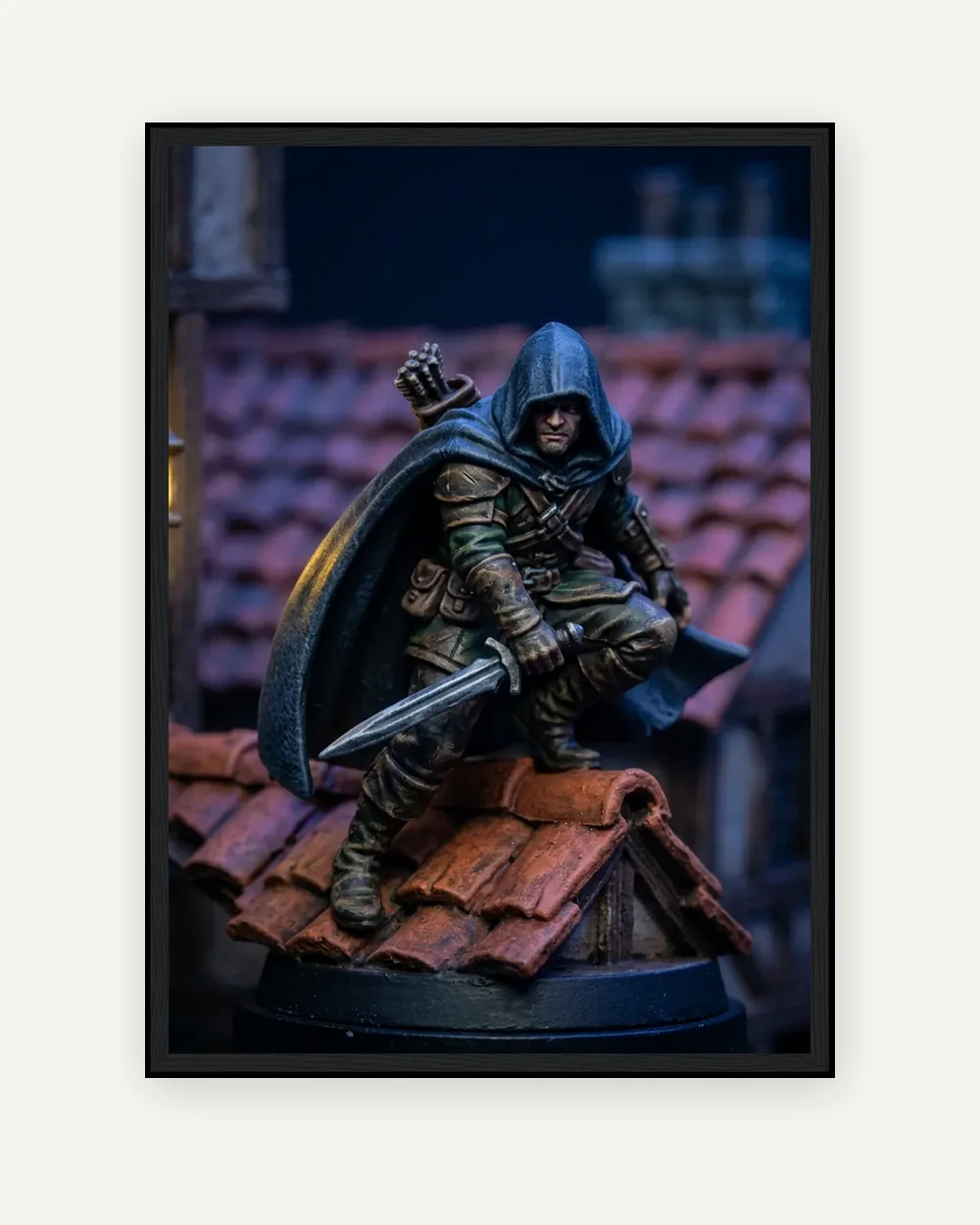
Upload a photo of the painted figure. Choose Create a scene and AI redraws it in a setting of its own, or print the photo as it is. You see it before you pay, and it goes in your basket from here.
Jump to a section · 6 sections
Elf names work because of how they sound. Soft consonants, open vowels and two or three syllables that run together make a name feel old and unhurried, and that is most of what people mean by elvish. Change the consonants and the same shape turns wild or cold. Make it silly and you have a Christmas elf.
How the elf name generator builds each name
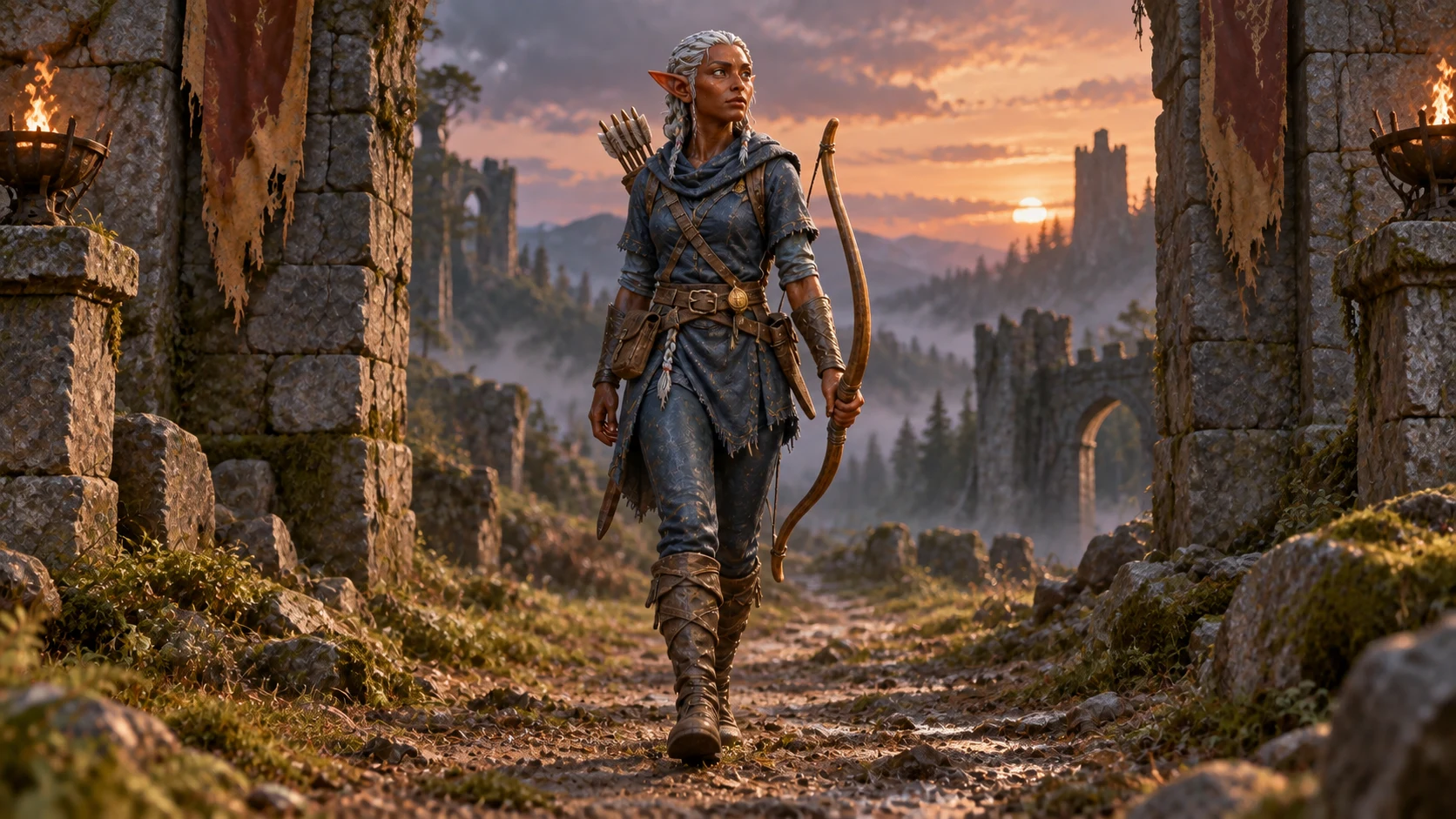
Every name on this page is assembled, not looked up. The high elven banks hold three kinds of piece: an opening such as Cae or Ili, a middle such as len or thar, and an ending such as wyn or ion. Put them together and you get Caelenwyn or Ilitharion. Wood elves use two shorter pieces and a family name made from plants, so Elowen Rowanshade or Nimeth Sedgebough. Dark elves lean on z, x and v and often answer to a house. Christmas elves get a cheerful first name and a surname that sounds like something left out by the fire.
Untick a kind to leave it out. The count under the results is worked out from the banks themselves, so it’s a real number.
The sound of an elf name
Consonants fall into families by how the mouth makes them, and writers have long used those families for mood. L, r, m and n flow. S, th and v hiss softly. K, g, t and d stop the breath dead. High elven names are built mostly from the first two families with long open vowels between them, which is why they sound unhurried: say Saelorith and then Hrukdag, and only one of them could crack a tooth.
Wood elves keep the soft sounds but shorten everything, so the names sit closer to real folk names. Elowen is already a Cornish girl’s name. Dark elves borrow sharper edges and end on a hard consonant or a whisper, like Velnyth or Xaevra. None of this is a rule. It’s a palette, and the generator mixes from it.
Where elves come from
Elves were in English long before they were in fantasy novels. Old English had ælf, and it turns up inside personal names: Alfred comes from Ælfræd, which means elf counsel. Norse myth split them in two. The Prose Edda, written down in Iceland in the thirteenth century, describes light elves who are fairer than the sun to look at and dark elves who live down in the earth and are blacker than pitch.
That old split is still the quickest way to place an elf. Decide whether yours belongs to the light, the woods or the dark, and the sound follows.
How to make your own elf name
- Pick the sound first. Soft and long for a court elf, short and earthy for a forest one, sharp for anything that lives underground.
- Build two or three syllables. Take an opening from one name and an ending from another. Generate a batch and steal pieces.
- Say it aloud. If the table can’t say it, they’ll shorten it for you, so choose the short form yourself.
- Give it somewhere to be from. A family name or a place makes a bare name sound lived in.
Keep it your own. A name that sounds like a famous elf gets compared with that elf every time somebody says it.
Christmas elves need a different name
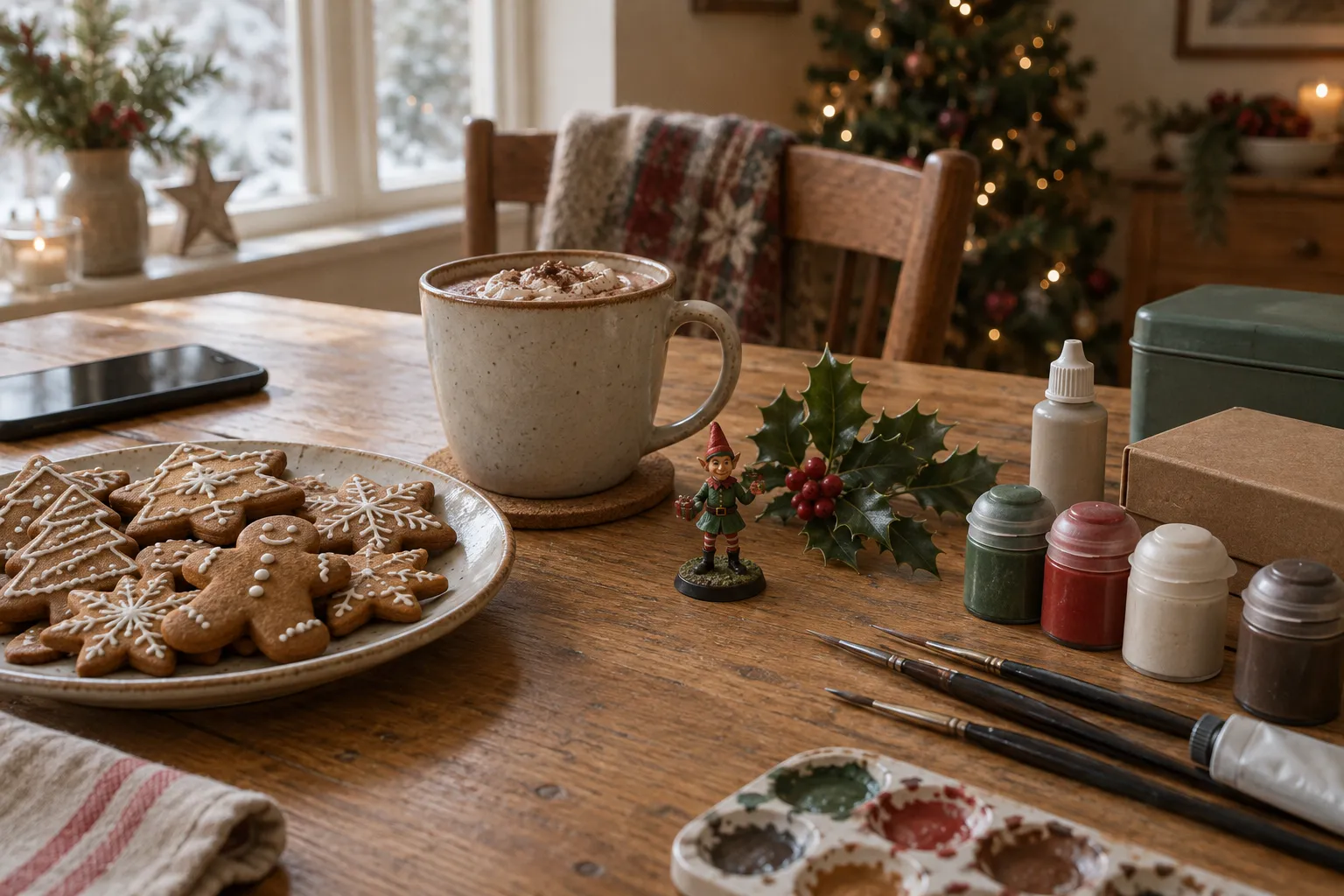
A workshop elf is a different creature. Its name should be easy enough for a five-year-old to shout across the kitchen: Tinsel Snowmitten, say, or Clementine Hollytoes. The Christmas tradition is there for exactly that, and you can untick the rest when festive names are all you want.
Choosing one for a character or a figure
If the elf already exists as a painted miniature or a sketch, generate against what you can see. A pale figure in silver and blue suits a high elven name; moss greens and worn leather want a wood elf. Starting from a blank page? How to draw an elf builds a face from the head ball up in twelve steps, and the fantasy name generator covers dwarves, orcs, humans and monsters for the rest of the party.
Questions and answers
What are some good elf names?
Good elf names are easy to say and clearly belong to one kind of elf. A few from the generator: Caelenwyn and Ilitharion for high elves, Elowen Rowanshade for a wood elf, Velnyth of House Ulvarith for a dark elf and Pip Nutmeg for a Christmas one. Press the button for twelve more.
How do you make an elf name?
Choose the sound, then build it. Soft consonants such as l, r, n and th with long vowels sound high elven, while a z or an x gives a darker edge. Join two or three syllables and say the result aloud. If it needs weight, add a family name or a place.
What do elf names mean?
An invented elf name means whatever you decide it means. The old ones had real meanings: Alfred comes from the Old English Ælfræd, elf counsel. Giving your elf’s name a meaning of its own is a good way to remember it, and a good way to hang a backstory on it.
Can I use these elf names in my game or story?
Yes. They’re built from syllables written for this page and checked against a list of names from published settings, so they aren’t borrowed from anyone’s book. Use them in a story, a game or on the base of a painted figure.